
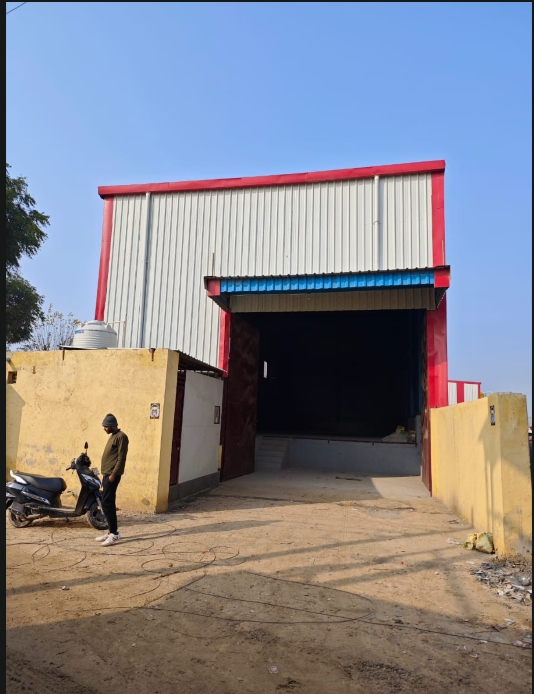
Choosing the Right Warehousing Partner in Mumbai, Delhi & Jaipur
By FAST INDIA TRANSPORT Team · · — min read
In this article
Warehousing looks like a real-estate decision and behaves like an operations decision. The rent per square foot is the number everyone compares, and it is rarely the number that decides whether the arrangement works. This guide is written for businesses evaluating third-party warehousing in Mumbai (Bhiwandi), Delhi NCR (Mundka) and Jaipur (Jhotwara) — the three clusters where FAST INDIA TRANSPORT operates warehouse space alongside its transport network.
Location economics: the cost you cannot see on the rate card
A warehouse two hours further from your market can look cheaper per square foot and cost more per despatch. Before comparing rent, map three things: the distance to your primary demand cluster, the distance to the highway or port you use most, and the realistic vehicle turnaround time in and out of the facility.
Bhiwandi exists as India's largest warehousing cluster precisely because it sits at the junction of Mumbai's consumption market, the Nashik and Gujarat corridors and the JNPT port lane. Mundka in West Delhi does the same job for NCR distribution. Jhotwara in Jaipur serves Rajasthan's marble, handicraft, textile and FMCG shippers with onward line-haul to both Delhi and Mumbai.
Ask any prospective partner one blunt question: how long does a 32 ft vehicle take from highway exit to dock, and back? If the answer involves a narrow lane and a two-hour wait, that time is your cost.
Compliance and safety: the non-negotiables
These are not premium features. If a facility does not have them, walk away regardless of price.
- Fire safety systems with visible, serviced extinguishers and clear aisles.
- CCTV coverage at docks, aisles and entry gates, with footage retained.
- 24×7 security and a controlled gate register for people and vehicles.
- Pest control on a documented schedule — critical for food, textile and paper goods.
- Weather-proof structure: a dry, sealed roof and raised flooring where flooding is a local risk.
- Insurance clarity: who insures the stock, at what value, and against what.
Ask for the pest-control log and the last fire-equipment servicing date on the site visit. A serious operator produces both without hesitation.
Inventory: barcode, WMS and the monthly reconciliation
The difference between a godown and a warehouse is the record. You should be able to answer, on any given morning, how many units of each SKU are in the building, how long they have been there and which ones are about to age out.
Look for barcode-based receiving and picking, SKU-level stock reports, ageing visibility and a monthly reconciliation your finance team can match to their books. If a partner cannot give you a stock statement in a format your auditor accepts, you will spend every quarter-end arguing about numbers.
What good reporting includes
- Opening stock, receipts, despatches and closing stock, per SKU, per month.
- Damage and short-receipt records with photographs at the time of receiving.
- Ageing buckets so slow-moving stock is visible before it becomes dead stock.
- Despatch documents — LR, e-way bill and POD — linked to the stock movement.
How warehousing rates are actually built
Indian third-party warehousing is usually quoted in one of three ways, and the cheapest headline can be the most expensive outcome.
| Model | How it is charged | Suits |
|---|---|---|
| Per sq. ft. per month | Fixed area, whether you fill it or not | Steady, predictable volumes |
| Per pallet / per unit | Storage charged on what is actually stored | Seasonal or fluctuating stock |
| Transaction-based | Storage plus in-out handling charges | Fast-moving, high-throughput goods |
Whatever the model, get these written into the quote: inward handling, outward handling, palletisation, labelling, minimum billing period, and what happens if you exceed or under-use the contracted space. Surprises in warehousing almost always arrive as handling charges, not as rent.
Mumbai, Delhi and Jaipur compared
Bhiwandi, Mumbai
Best for import consolidation, national distribution and anything that touches JNPT. Highest throughput, deepest labour pool, most competitive transport rates because return loads are easy to find. Our head office and primary warehouse sit here at Purna Village.
Mundka, New Delhi
Best for NCR distribution, cross-dock and last-mile into Delhi, Ghaziabad and Gurgaon. Works well as the northern leg of a two-warehouse network paired with Bhiwandi. Our Mundka godown handles exactly this pattern.
Jhotwara, Jaipur
Best as a Rajasthan forward stocking point. Cheaper space than either metro, with good onward connectivity to both Delhi and Mumbai. Suits marble, handicraft, textile and FMCG distribution.
Full addresses and maps for all six of our locations are on the branches page.
Twelve questions to ask on the site visit
- What is the clear height, and how many docks are there?
- What material-handling equipment is on site, and is it owned or hired?
- Who are the current clients in my category, and can they be referenced?
- How is stock segregated between clients?
- What is the receiving cut-off time, and what happens to a late vehicle?
- What is the pest-control schedule, and can I see the log?
- What does the monthly stock report look like? Show me a sample.
- Who pays for damage, and at what declared value?
- What is the notice period, and are there exit charges?
- Can the same partner move the goods in and out?
- How is GST invoicing handled on storage and handling?
- What happens during peak season — is contracted space guaranteed?
Switching partners without breaking a season
If you are moving out of an existing facility, plan the transition around your slowest despatch week, move in SKU batches rather than all at once, reconcile stock at both ends on the same day, and keep both facilities live for a short overlap. Because we run our own vehicles, transitions between our warehouses and a client's previous facility are usually done over a weekend.
Warehousing works best when the company storing your goods is also the company moving them. One contract, one invoice, one number to call when a despatch has to leave tonight. That is how our warehousing service and transport network are designed to work together — and if you only need space for a season, our storage options start at a month.
Related articles
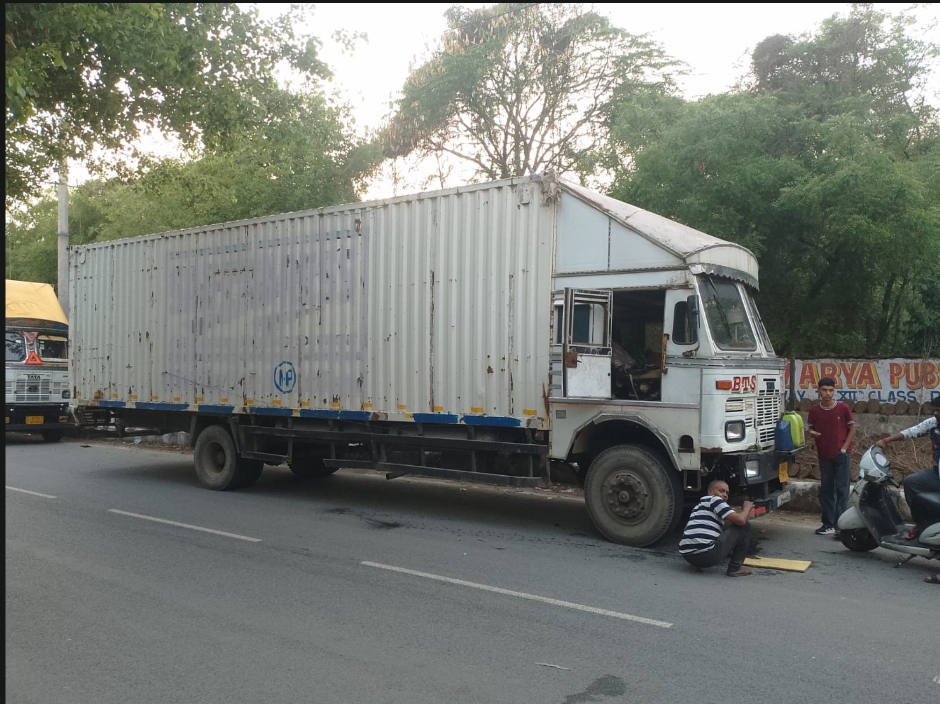 TransportationFTL vs PTL Transportation in India: Which is Right for Your Business? (2026 Guide)When a full truck actually costs less than a part load — with real Indian lane numbers.
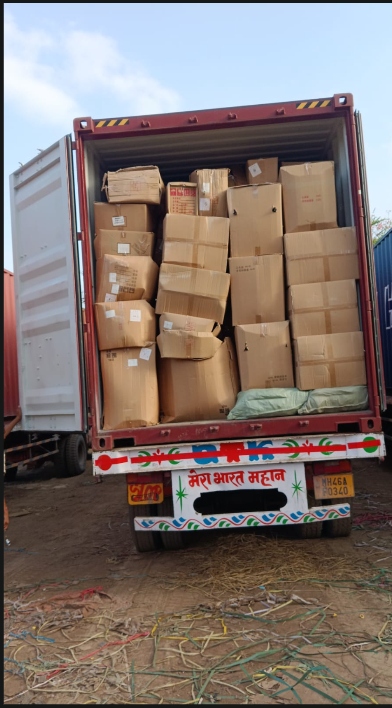 ComplianceGST E-Way Bill Rules for Transporters in 2026 — A Practical GuideThresholds, validity, part-B rules and the mistakes that get consignments detained.
Next step
Get a fixed rate for your next consignment.
Share pickup and delivery city and we will respond within 30 minutes on business hours.
Note: blog articles are published in English only. For guidance in Hindi, call us on +91-9284049919 — our team will explain everything in Hindi on the phone.